Writing
Notes on design, machines and the companies in between.
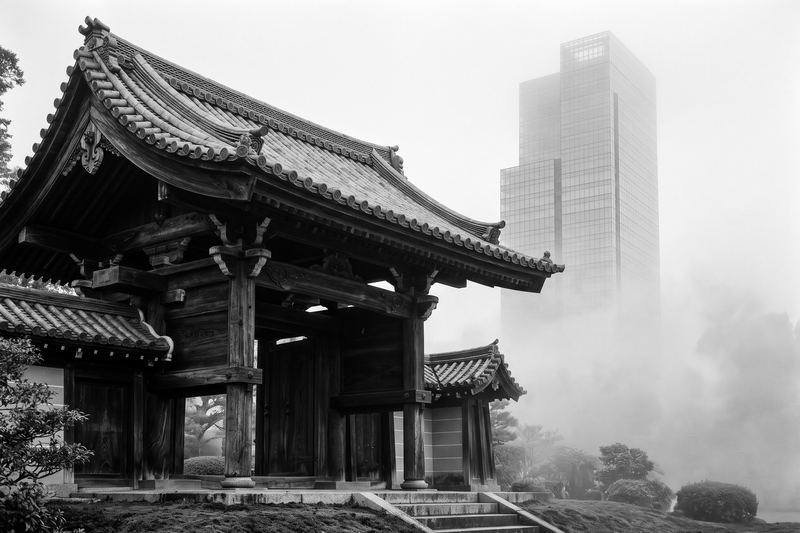
What Japan taught the teacher
I spent years in Japan teaching young designers to break every rule. They listened and changed nothing. It took me far too long to see what they knew.
Certainty is how industries die
I co-founded a car company without being a car engineer and later took a €7.5bn offer for Lamborghini to Volkswagen. Both times the industry knew better.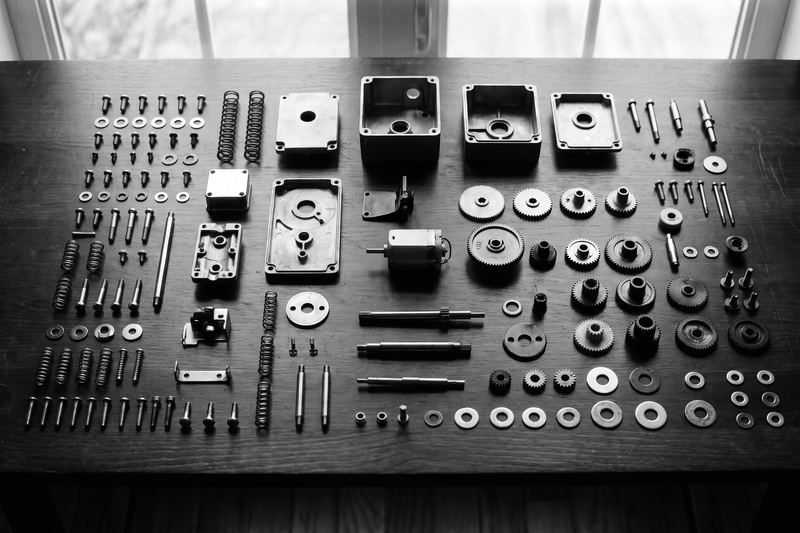
The company is the first product
Most companies grow like coral. A founder should design the firm as carefully as the thing it sells: few parts, clean joints, own the core and buy the rest.
Europe is a customer
Europe buys its security, its gas, its computing and its AI from others. A customer can complain, but it cannot refuse. To count again, it has to make things.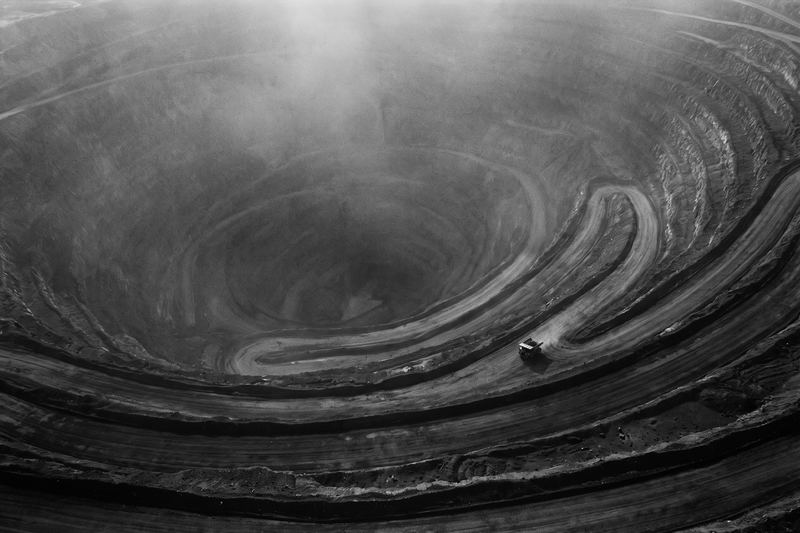
Sovereignty is a bill of materials
Europe buys 98% of its rare-earth magnets from China. A designer reads the continent’s bill of materials and finds the lines that can stop the factory.
Dressing well was a courtesy
People once owned few clothes and looked better in them. Why I think style and class are coming back, in other clothes but on the same principles.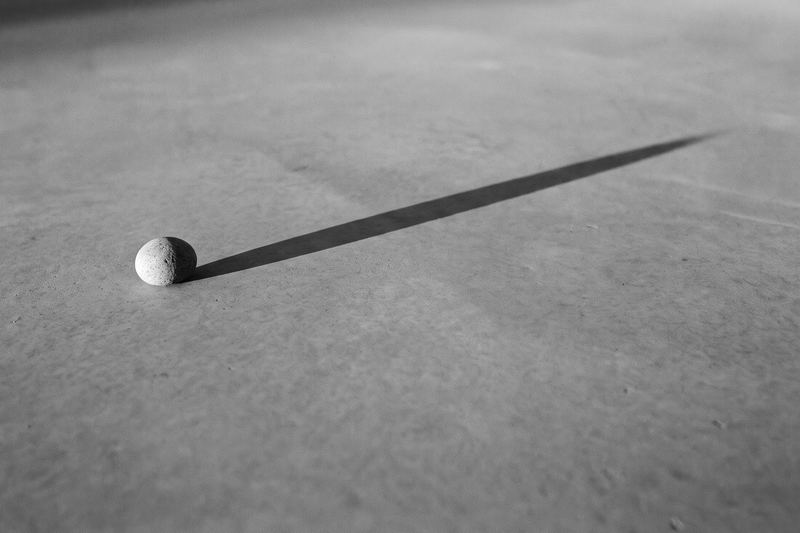
Small is a strategy
When a machine gets small, somebody else can own it. Small language models and small modular reactors move power from institutions to owners.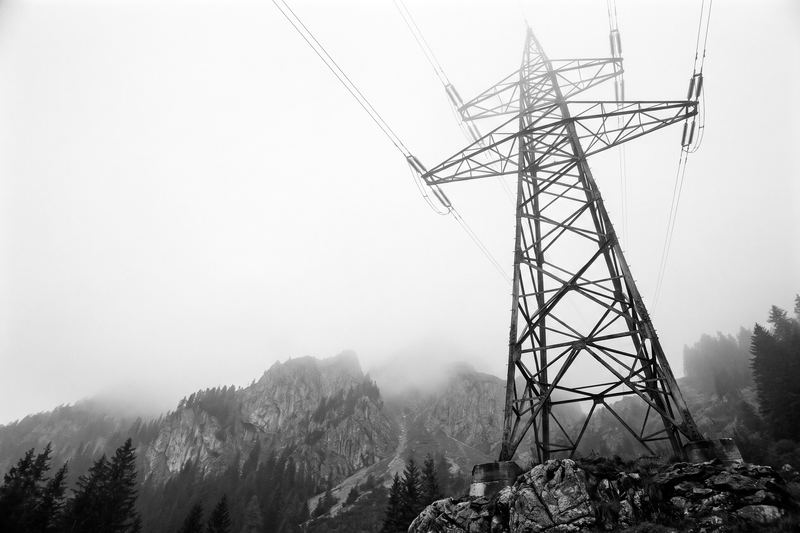
Energy is the new design brief
AI will run out of electricity long before it runs out of ideas. Data centre power, from grid queues to small nuclear reactors, has become a design brief.
Luxury is what cannot be accelerated
AI makes almost everything fast and cheap. The future of luxury is what cannot be hurried: a watch movement built twice, an iris root that takes six years.
The hand knows more than the model
Robots are short of data, and the scarcest data is the unwritten skill of working people. Craft is the raw material of robotics.
Whoever records the world owns it
Physical AI needs a record of how skilled hands work. Europe has the hands. Whoever makes the record sets the terms for the robots.
Use is the only honest critic
Awards and photographs judge an object on day one. Good design is proved on the thousandth morning of use, by wear and by repair.
Beauty is a form of trust
People trust what is well made. Nuclear power and AI answer fear with statistics. What reassures is design that shows honestly what the machine is doing.
Optimise the thing, not yourself
Self-optimisation treats people as products and gets engineering wrong. Good engineers optimise very little. The effort belongs in better things.
What is left for us to do
When machines can make anything, the meaning of work moves from making to choosing. Taste and judgment are the job that remains.
The world is not flat
AI learned the world from flat pictures. To act in it, a machine needs what a child gets for free: two viewpoints and a hand.
Hierarchy is not the enemy
Flat organisations hide power and multiply meetings. A clear hierarchy in a small team gives people what they want: freedom to run their own work.
Ideas are a gas
Elmar Mock describes innovation as gas, liquid and crystal. AI now makes the gas for nothing. The scarce skill is condensing an idea into a thing.
Robots will read the manual
Household robots learn faster when products explain themselves as data a machine can read. The user manual is getting a new reader, and design changes too.