

About
I design how things are seen, understood and used. By people, and more and more by machines.
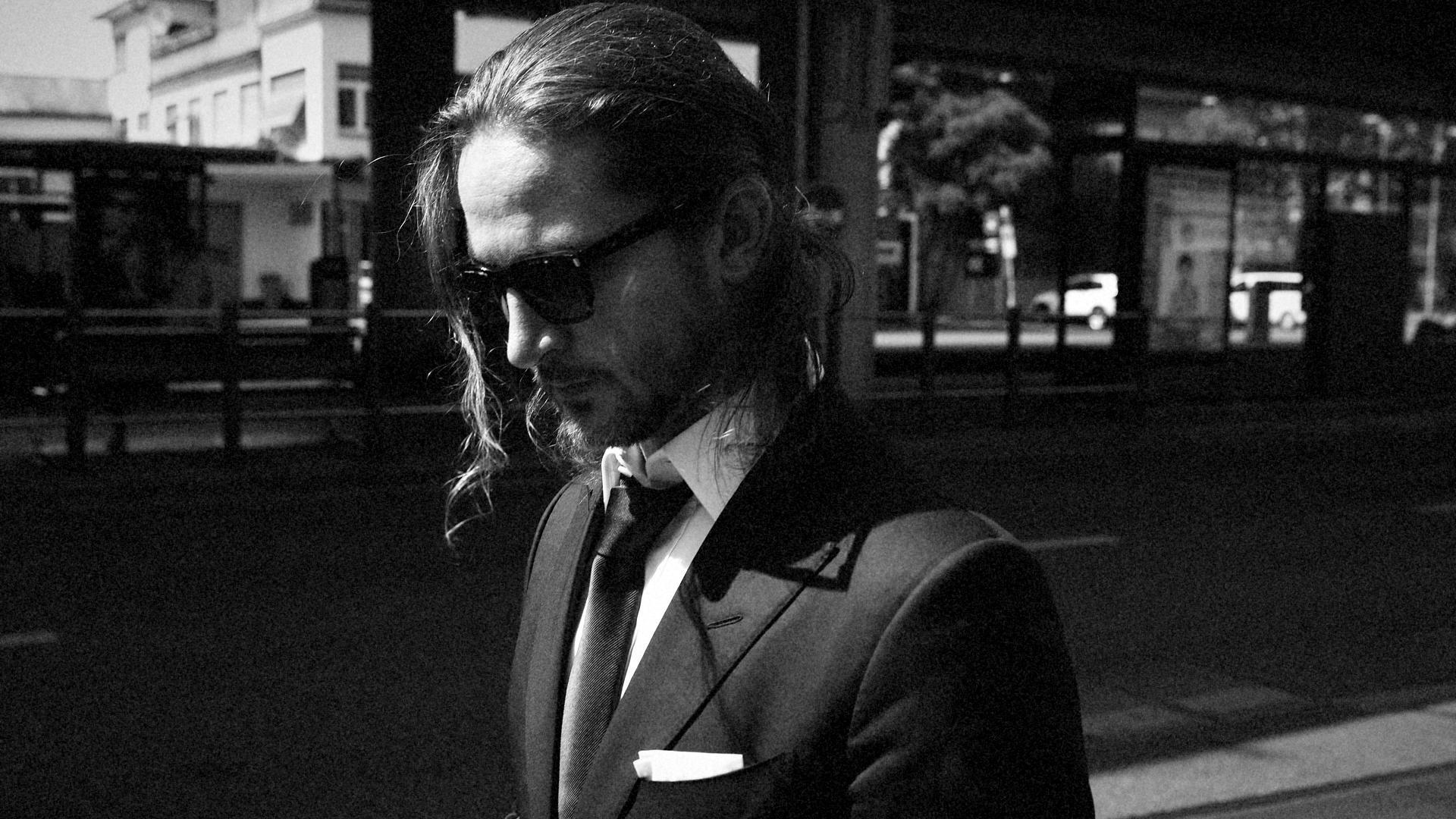
Rea Stark is an industrial designer and founder in Zürich. He has designed for Sony and Nespresso, co-founded Piëch Automotive and Archaí Physics, and works on how machines perceive and handle the physical world.
Brands and companies
- Nespresso
- Sony
- Panasonic
- Samsung
- Canon
- LG
- Piëch Automotive
- Quantum Group
- Deep Atomic
- Thomas De Monaco
- Collectif Noir
Work
01
Product design
I trained in design, typography and photography in St. Gallen and started as chief designer for electronic devices.
Since then I have designed for Sony, LG, Panasonic, Samsung, Canon and Nespresso. For Nespresso I worked on the Citiz and Pixie machines and the Aeroccino milk frother. The work has won several design awards.
Work
02
Information design
For Electrosuisse and the VDE I worked in Japan. The aim was to make the user manual part of a product’s safety and of its certification.
I built the department for this at Electrosuisse, then founded my own company for it and sold it. I am co-inventor of the SmartManual, a patented system for information perception and ergonomic design.
Work
03
Piëch Mark Zero
I co-founded Piëch Automotive and shaped the design of its first car as creative director. The Mark Zero is an electric GT, first shown at the Geneva Motor Show.
It has the proportions of the great European sports cars of the 1960s and one platform for several body styles and drive types. It was designed so that hardware and software could be renewed over the years. The car is an award-winning design.
Work
04
Energy for AI
Deep Atomic develops the MK60, a compact nuclear reactor built for AI data centres. One unit is designed to deliver 60 MW of electric power and 60 MW of cooling for the servers.
I am a member of the board. The problem is the one I know from coffee machines: making something complex simple to build and run, and easy to trust.
Work
05
Depth and light
Each eye sees the world from a slightly different place, about 63 mm apart. The brain turns the difference into depth. Much of my research is about how we perceive depth, and how it can be recorded and shown again.
A light field records how bright the light is and the direction it comes from. An image made this way keeps its depth. The goal was a true record of the world for future generations.
Work
06
Machines are the new users
Robots are starting to work in homes and factories that were built for human hands and eyes. A robot that opens a drawer needs depth and a sense of form.
I work on making devices readable and usable for machines. It is the same work as before, for a new reader.

“Today his practice connects AI, robotics and depth perception.”
Ventures
Founder
OptAI
An AI company in Zürich that builds applications and agents and runs a lab for world models. A group of geeks building for the next revolution in AI and robotics.
Ventures
Co-founder
Archaí Physics
Human experience. Ground truth for AI. Archaí records how people really work, so robots can learn from it. Its first device, 360°, is worn like headphones and is in development.
Ventures
Board member
Deep Atomic
The MK60, a compact nuclear reactor built for AI data centres.
Ventures
Co-founder, no longer involved
Piëch Automotive
Electric sports cars from Switzerland. Its first car, the Mark Zero, was shown at the Geneva Motor Show.
Ventures
Co-founder
Collectif Noir
Haute horlogerie with an edge. An independent watch house in Geneva that builds small series of mechanical watches with its own movement.
Ventures
Seed investor, no longer involved
Thomas De Monaco Parfums
An independent perfume house in Zürich.

“It is more important for us to design what is right and what makes sense.”
Writing
Writing
The brake is a power station
Braking turns speed into heat, and Formula E, the Taycan and the Piëch Mark Zero show how much of it can be caught again. Most of that is decided at the drawing board.
The scarcest data has two people in it
Meta, Generalist AI and Figure are racing to collect data that teaches robots physical work. Nearly all of it shows one person, and recordings of two people working together barely exist.
Whoever records the world owns it
Robots will learn manual work from recordings of people doing it. Europe has more trained hands than almost anyone and should record them on its own terms before others set the price.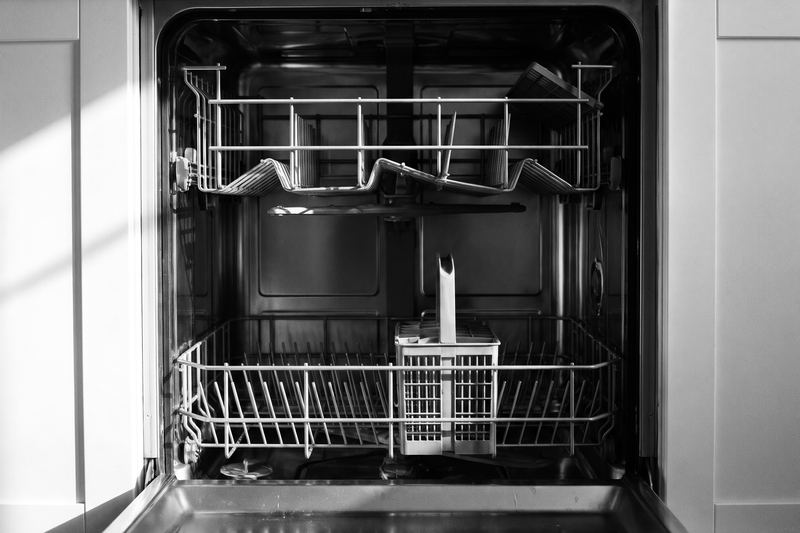
Robots will read the manual
The user manual became part of product safety. Robots now need the same, with appliances that publish their handles, hinges and forces as data a machine can read.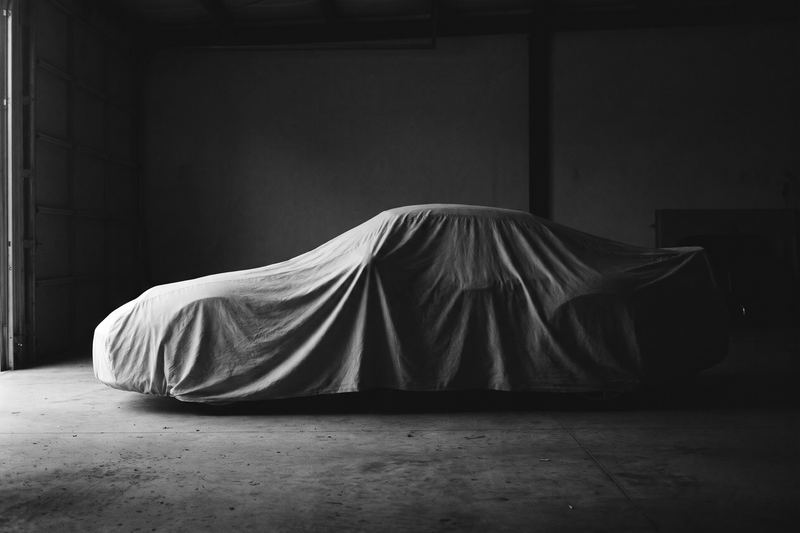
Certainty is how industries die
Car journalists called the Piëch Mark Zero a copy and doubted a €7.5bn offer for Lamborghini. An industry that would not hear outsiders did not hear the Californians or the Chinese either.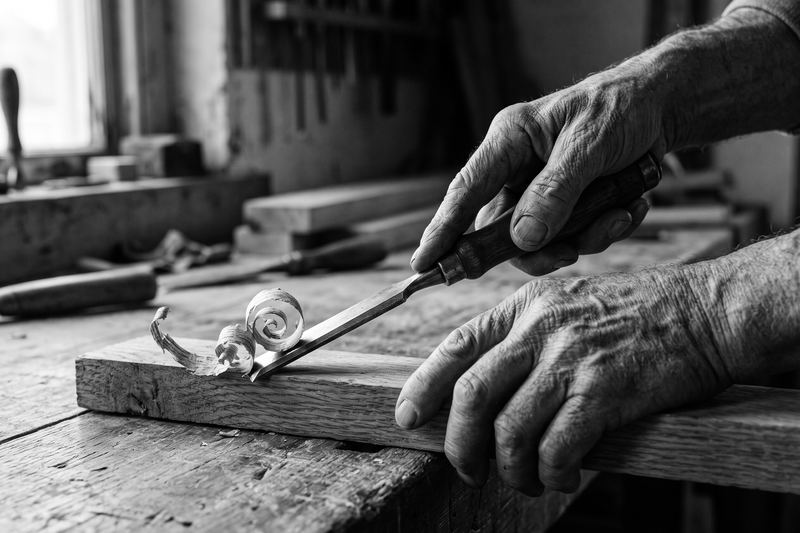
The hand knows more than the model
Language models learned from text that people had already written. Robots need the tacit skill of cooks and watchmakers, which simulators and video cannot supply and somebody has to record.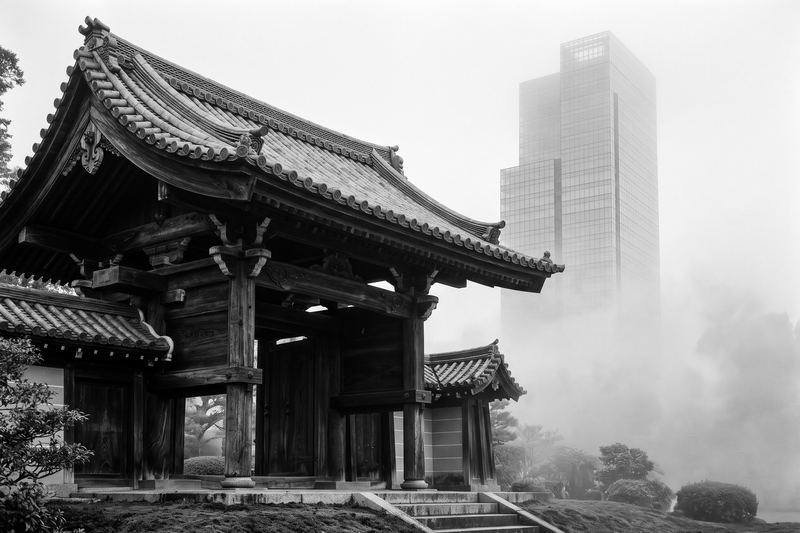
What Japan taught the teacher
Japanese firms put creativity into tolerances, finishes and continuity, where an eye trained on sketches misses it. The same country gave us the bullet train, the Walkman and the QR code.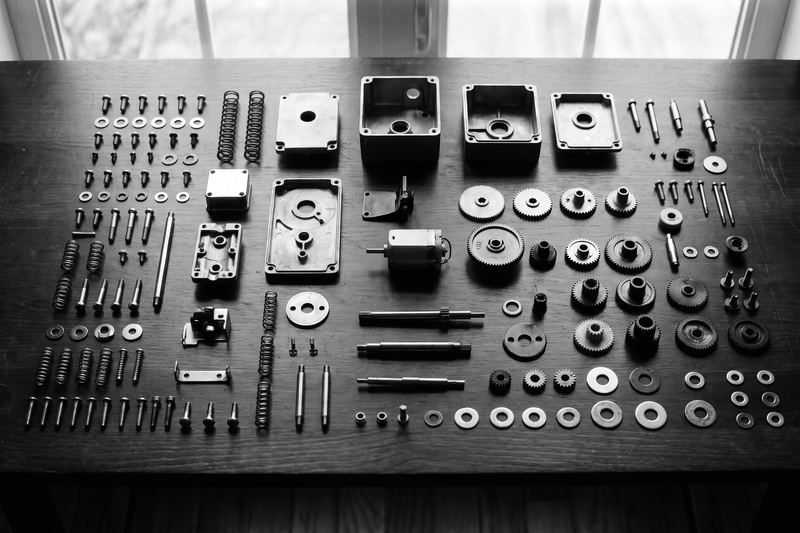
The company is the first product
Falling transaction costs let a firm buy most of what it once had to do itself. It should own its core, work in small units with real owners and avoid Boeing’s mistake with the 787.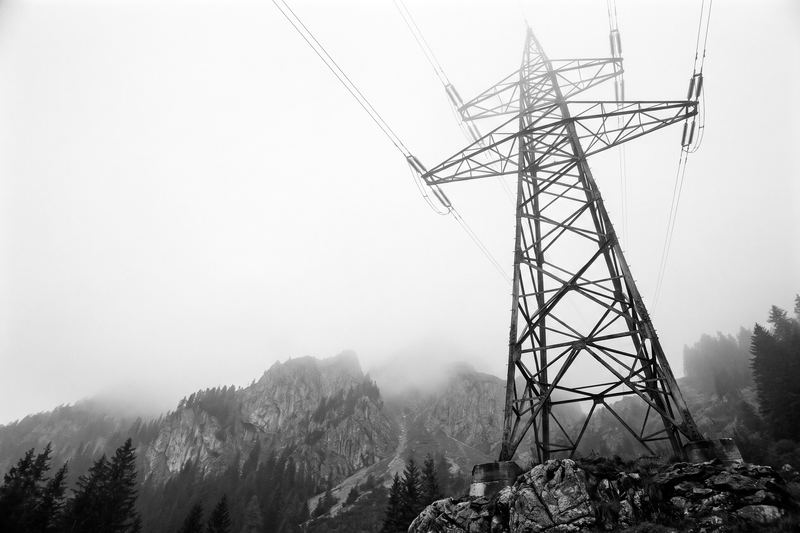
Energy is the new design brief
In Europe’s hubs a data centre waits seven to ten years for a grid connection, and efficiency gains only raise demand. The power plant and the computer have to be designed as one.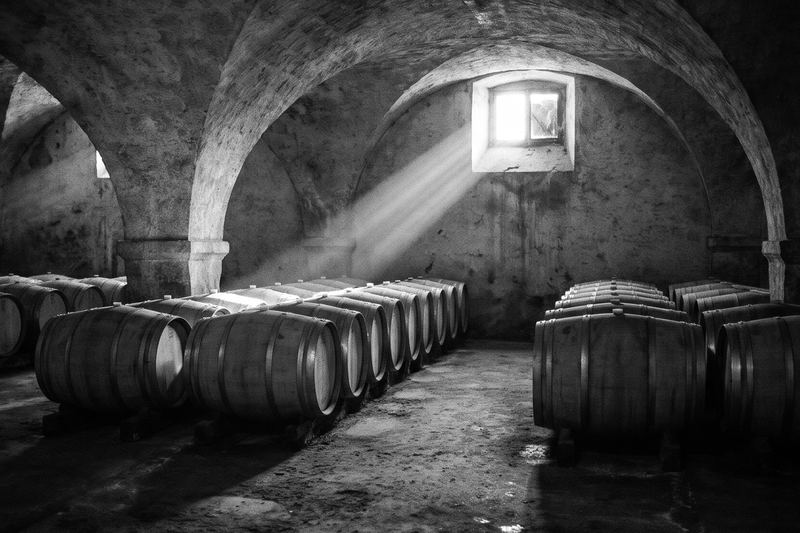
Luxury is what cannot be accelerated
Scarce materials and competence are both getting cheap, the second thanks to AI. What keeps its price is work that takes time nobody can compress, and houses that chase speed give that away.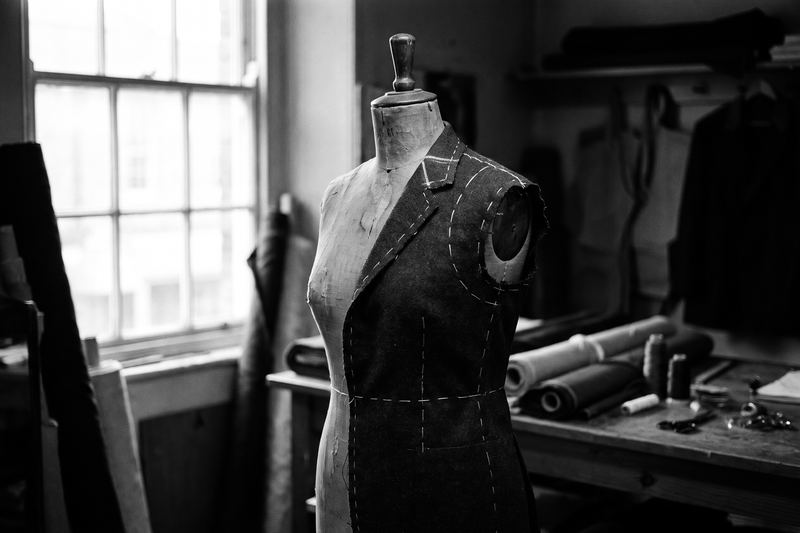
Dressing well was a courtesy
Clothes were once few, fitted and worn for the sake of other people. Casual Fridays and fast fashion ended that, and AI images, waste and boredom are now bringing the effort back.
Sovereignty is a bill of materials
Read like a bill of materials, Europe’s supply chain has many lines with one supplier, often in China. A second source costs money, and 2025 showed what going without one costs.
Europe is a customer
The NATO pledge and the tariff deal of summer 2025 showed Europe acting as a customer. It has the parts of a power, ASML and Airbus among them, and has not decided to put them together.
Hierarchy is not the enemy
Flat organisations rarely remove power. They hide it, as Jo Freeman saw in 1970. In a small team a named leader can be challenged, and everyone else is free to get on with the work.
Use is the only honest critic
Juries and screens reward what looks new, and novelty fades first. A coffee machine is judged on ten years of mornings, and a thick manual is the maker’s own bad review.
Ideas are a gas
Most firms that ask for innovation want renovation and defend themselves against new ideas. With AI producing ideas for nothing, the work worth paying for is turning one into a product.
What is left for us to do
The AI debate is stuck on jobs and income. Once making costs almost nothing, people are needed for judgement, and taste becomes a skill with a cost and a name attached.
Beauty is a form of trust
People cannot inspect a reactor or a neural network, so they judge by the finish they can see. That makes honest design a matter of safety, and a handsome casing on a false machine a fraud.
The world is not flat
Image and world models are trained on flat photographs, which discard where the light came from. Software can estimate depth from one picture, but a robot’s work needs real geometry.
Small is a strategy
Vogtle and Stargate show that big machines belong to institutions. Phones that run language models and reactors sized for one customer put ownership within reach of everyone else.
Contact
Write to me
Rea Stark, Zürich. Films and pictures on this site may be generated with, or with the help of, AI and other tools. The venture films for Collectif Noir, Thomas De Monaco Parfums and Archaí Physics come from those companies. The pictures of the Piëch Mark Zero were made by the design studio push for Piëch Automotive.