Energy is the new design brief
AI will run out of electricity long before it runs out of ideas. Data centre power, from grid queues to small nuclear reactors, has become a design brief.
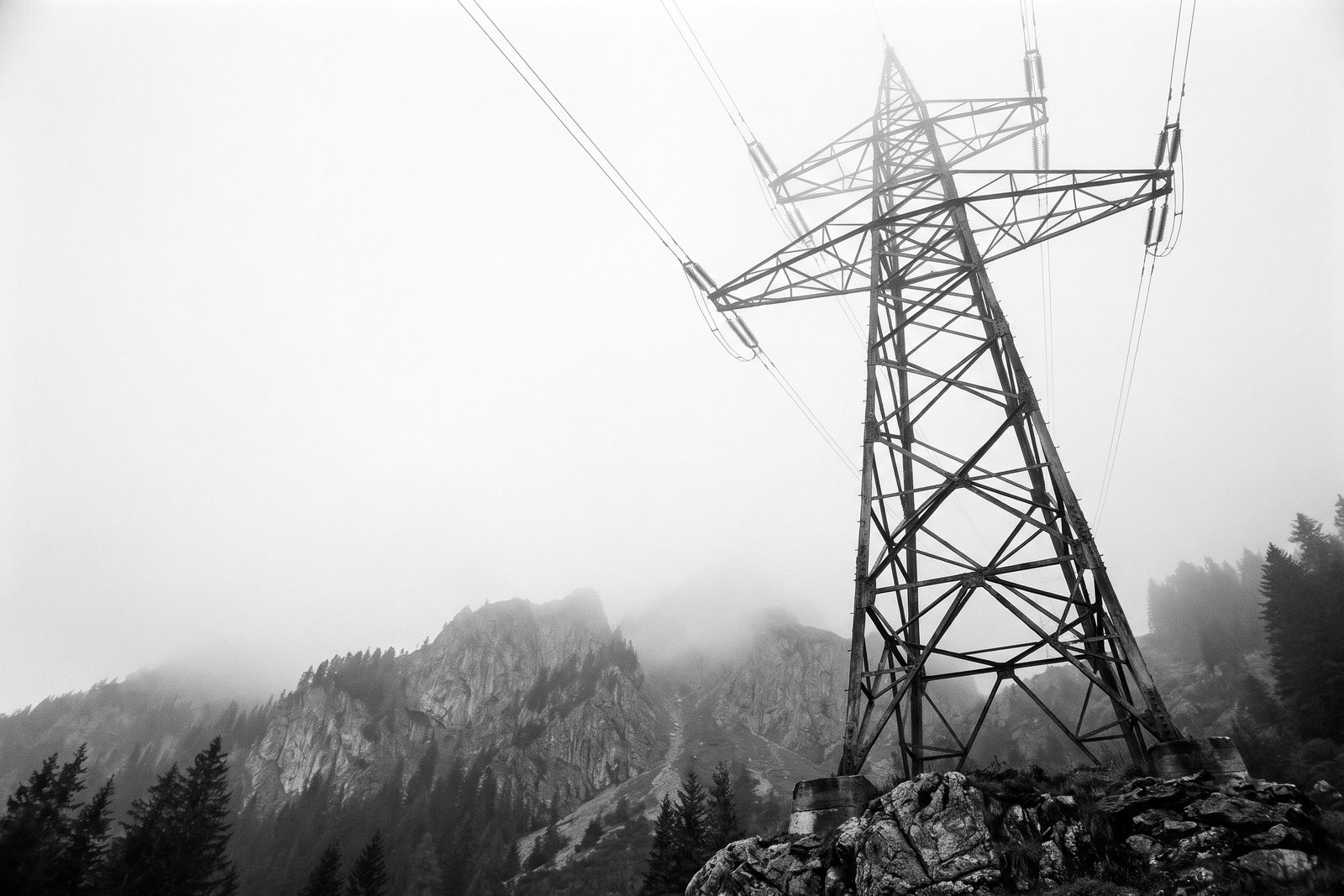
Microsoft sells software. On 20 September 2024 it signed a 20-year contract for the electricity from a nuclear reactor. The reactor is Unit 1 at Three Mile Island in Pennsylvania. Its owner had shut it in 2019 because it lost money. Its neighbour, Unit 2, is the one that partly melted down in 1979.
That contract says more about the future of thinking machines than any benchmark. Artificial intelligence does not fail for lack of intelligence. It fails for lack of electricity. AI energy demand is now the hard edge of the industry, and whoever designs the power plant designs the limits of AI.
My training is in design, and I have designed devices for Sony, Panasonic, Samsung and Nespresso. The brief for a device of that kind is about size, price, material and the date it must reach the shops. Power is a plug and a wall socket. For the machines being built now, the first line of the brief is megawatts, and everything else follows from it.
The queue for a socket
The numbers come from the International Energy Agency, which is nobody’s idea of a hype merchant. Data centres used about 485 terawatt-hours of electricity in 2025, 17% more than the year before, while the world’s demand for electricity grew by 3%. Consumption by the centres built for AI rose by half. The agency expects the total to double by 2030, to roughly 950 terawatt-hours, which is about what Japan consumes in a year.
Demand is the easy part. Supply is made of copper and paperwork. In Frankfurt, London, Amsterdam, Paris and Dublin, Europe’s five big hubs, a developer waits seven to ten years on average for a grid connection, according to the same agency. Dublin and Amsterdam have at times paused new projects altogether, because the grid had nothing left to give. A large power transformer can take up to four years to procure, and lead times have almost doubled since 2021.
The agency reckons that grid constraints could delay a fifth of the data centre capacity planned worldwide by 2030. Set that against the calendar of the people who run the AI debate. They are software people. Their argument is about what the models can do and who will own them, and almost none of it is about where the current comes from.
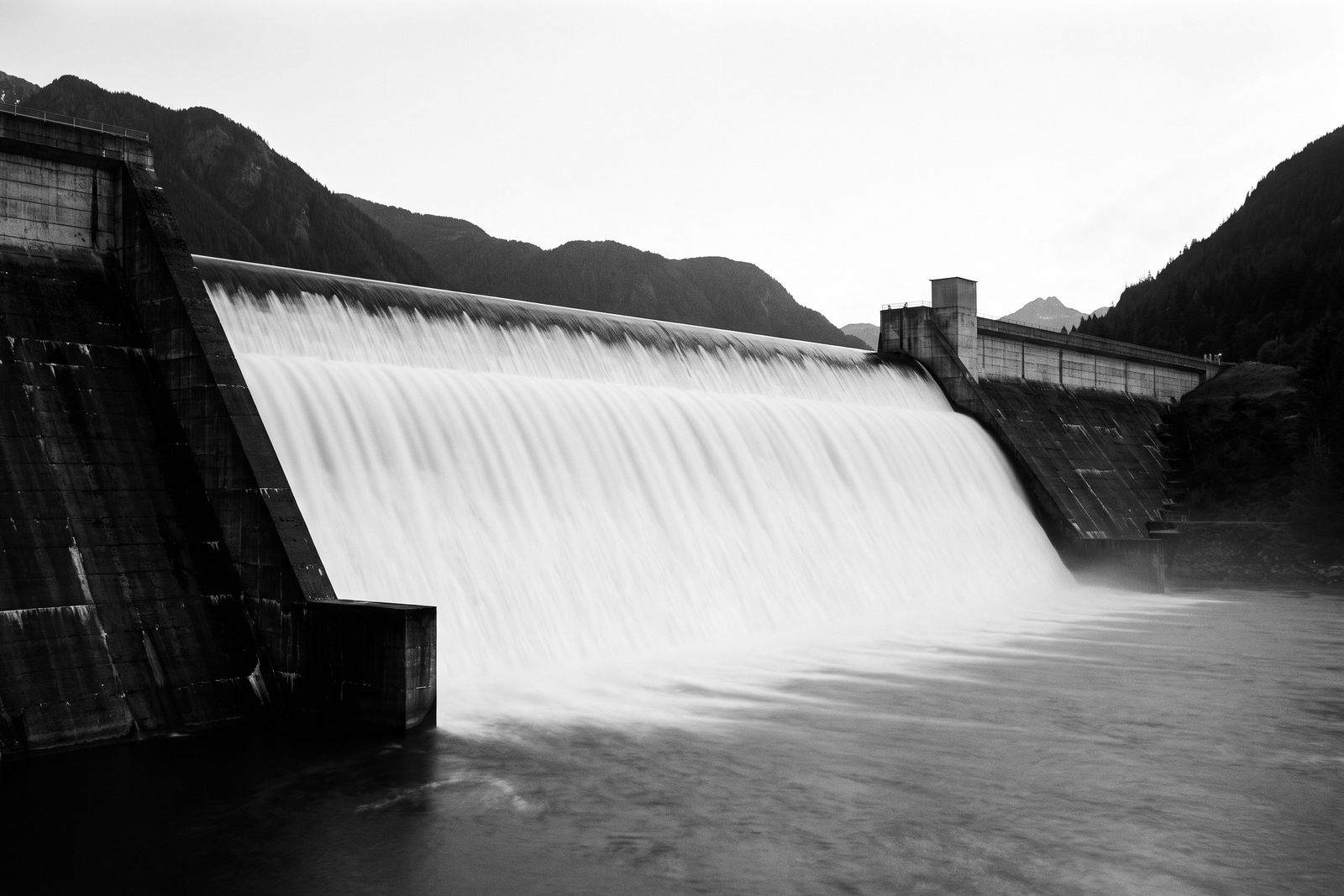
They ship a new model every few months and treat data centre power as somebody else’s problem, a matter for procurement. A transformer has no interest in a release schedule. In America, developers tired of waiting for the grid are parking gas turbines beside their buildings, and orders for turbines jumped by 70% in 2025.
AI energy demand outruns efficiency
Optimists reply that chips and models keep getting more efficient, so the problem will solve itself. The first half is true. By the agency’s account the energy used per AI task has fallen at least tenfold a year in recent years, a pace it calls unprecedented in energy history. In 2025 consumption still went up by 17%.
William Stanley Jevons explained why in 1865, in a book about coal. James Watt’s steam engine got more work out of every ton than the engines before it, and England burned more coal as a result, because cheap work finds new uses. Cheap intelligence behaves the same way.
A question answered in a few lines of text costs little. Video generation and software agents can use hundreds or thousands of times more energy per query, and that is where the industry is heading. Efficiency lowers the price of a task, and the customers order more tasks.
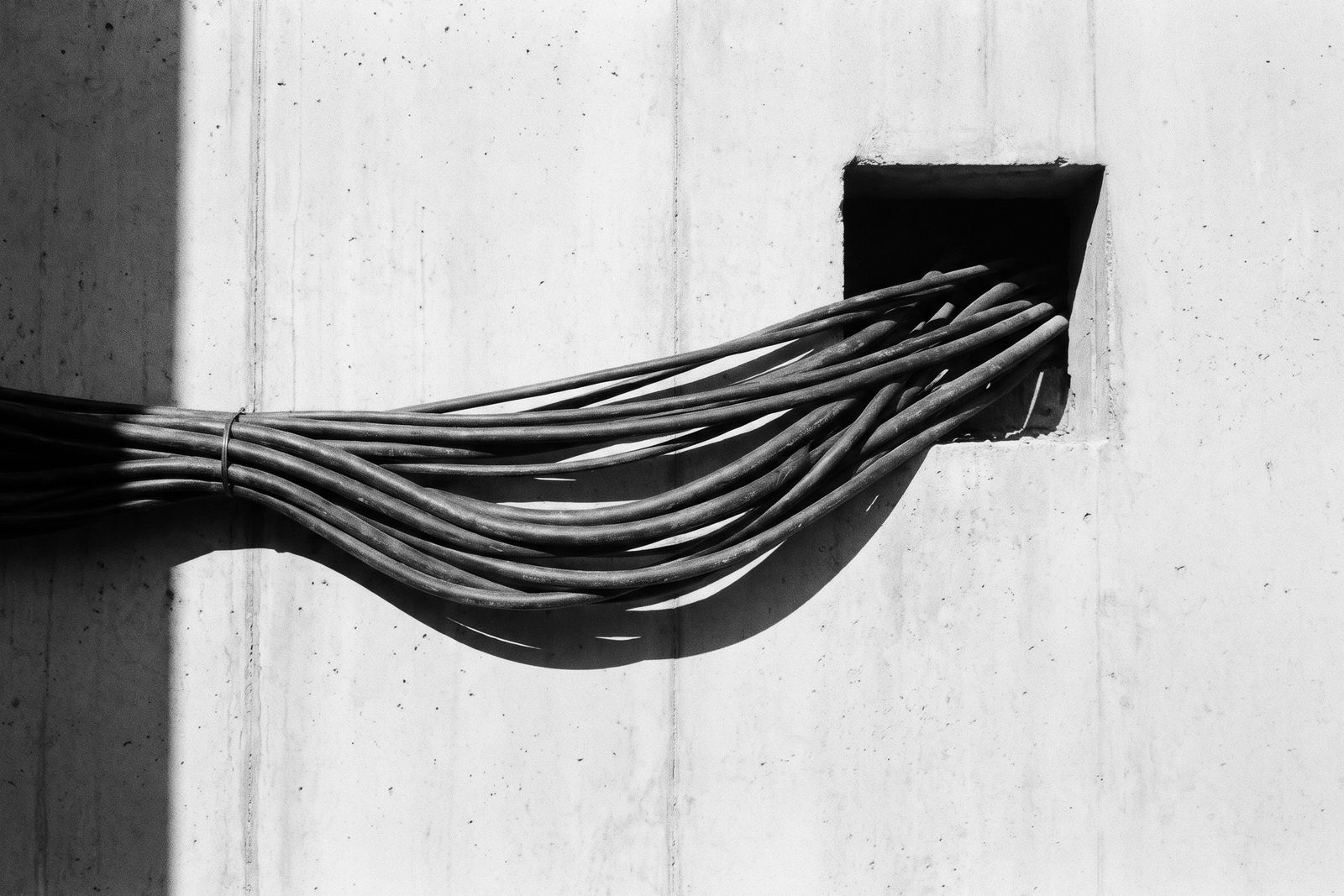
Megawatts on line one
So the technology companies have gone shopping for reactors. By the agency’s count, conditional agreements between data centre operators and developers of small modular reactors grew from 25 gigawatts at the end of 2024 to 45 gigawatts by April 2026. The word conditional matters. The reactors still have to be built.
I am an interested party. Deep Atomic, on whose board I sit, develops such a reactor: the MK60, a compact unit made for AI data centres. Each one supplies 60 megawatts of electricity and 60 megawatts of cooling.
The second figure is the one a designer notices. Nearly every watt that goes into a server comes out as heat, so a hall full of servers has two needs: power to compute and cold to carry away the result. Most power stations sell electricity to whoever sits at the end of the wire and regard the customer’s heat as the customer’s affair. A plant drawn for this customer delivers both.
This is what I mean by a design brief. The power plant and the computer are one object, and they have to be drawn as one. A reactor sized for a town and a data centre bolted on later is two briefs and a long cable. The companies that grasp this will decide where AI is built and how much of it there is. The others will have excellent models and a place in a seven-year queue for a socket.
The pictures in this essay were made with AI.