What Japan taught the teacher
I spent years in Japan teaching young designers to break every rule. They listened and changed nothing. It took me far too long to see what they knew.
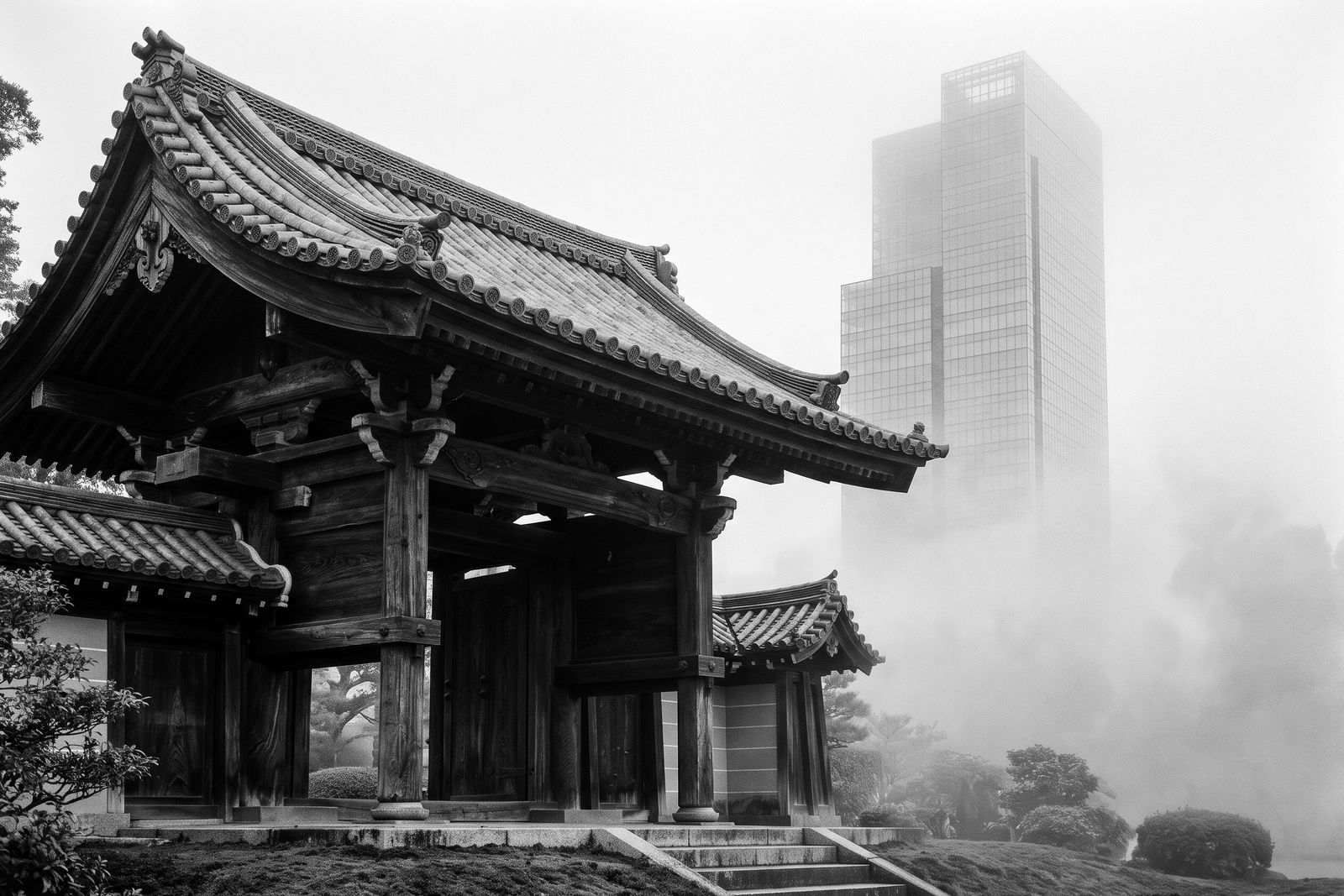
Early in my career I worked in Japan for several years, for some of its largest companies. They hired me as a designer and then put me in front of their young in-house designers as a teacher. I had long hair and torn jeans. They wore the company jacket. They looked at me as if a rock star had wandered into the office, and I suspect management kept me partly for the entertainment. They also valued the work, which is the only reason the jeans were tolerated.
My sermon never changed. Question everything. Throw the brief away. Be wild and free, look for the answer nobody has tried, and keep going until you find the one that works best, however illogical or strange it looks. The students listened and took notes. Then they went back to their desks and produced designs that all looked the same.
After a while I gave up. I decided there was no creativity there, which is a convenient thing for a young man with long hair to believe. I was wrong, and it took me years to see how wrong.
The nail that sticks out
Japan has a proverb for what I was asking: the nail that sticks out gets hammered down. I wanted twenty-five-year-olds to be the nail. I could afford to be one. I was a foreigner, I would leave one day, and nothing I said in a meeting would follow me for thirty years. They had to come back on Monday.
In the West we treat creativity as one person against the rest. You have the idea, you defend it and you sign it. Japan’s crafts and martial arts work to an older scheme called shu-ha-ri: first follow the form, then break it, then leave it behind. Most people spend decades on the first step and see nothing shameful in that. I walked in and demanded the third step from people who had just started the first. A master would have laughed at me, politely.
Where the creativity was
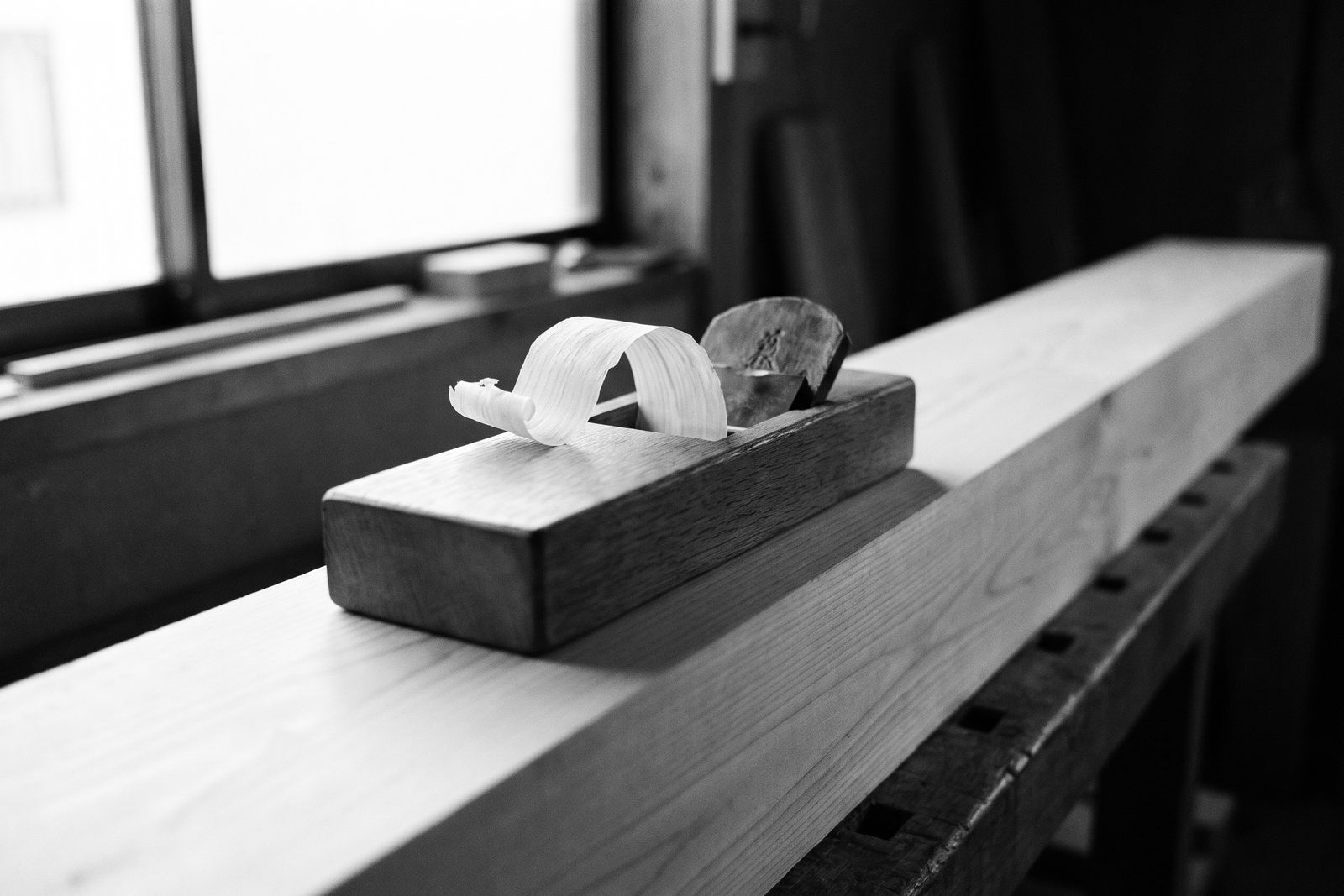
The creativity I could not find in the sketches was in everything else. It was in the tolerances, in the paint, in the click of a switch that somebody had tuned for a year. At Toyota any worker may stop the production line when something looks wrong. For all our talk about the individual, I know few Western companies that trust a single employee that far.
The shrine at Ise is taken down and rebuilt every twenty years, a custom that began in 690. The rebuilding of 2013 was the sixty-second, and the next is due in 2033. The design does not change. Every carpenter who works on it learns from one who has done it before, so the knowledge of how to build it never has to be dug out of a book. A culture that does this has a different idea of what a designer is for.
The same patience shows in its companies. Teikoku Databank counts 2,371 Japanese firms that turn one hundred this year alone. Elsewhere a company of that age is a curiosity. In Japan it is one of a year’s intake.
And then, out of nowhere
What still surprises me is the other Japan. The country that has repeated one building for thirteen centuries also gave the world the bullet train in 1964, the Walkman in 1979, the QR code in 1994 and the first widely used emoji in 1999. None of them came from a lone rebel. They came out of teams inside a state railway, Sony, a Toyota supplier and a phone company, exactly the kind of place where I had concluded nothing new could happen.
I do not know whether the Japanese way is better or worse than ours. It has a price. People who think differently have a hard time there, and some of the best leave. But I no longer believe mine is the only way that produces new things. Mine produces more noise.
What I would teach now
If I stood in front of those rooms again I would talk less about freedom and ask more questions. How long did you work on that hinge? Who taught you? What would you change if nobody were watching? I would still wear the jeans.
The West could use some of what I failed to notice. We reward the idea and then lose interest in the thousand small decisions that make it good. The founder gets the profile in the magazine. The person who gets the door to close properly gets nothing, and in Japan that person is the hero.
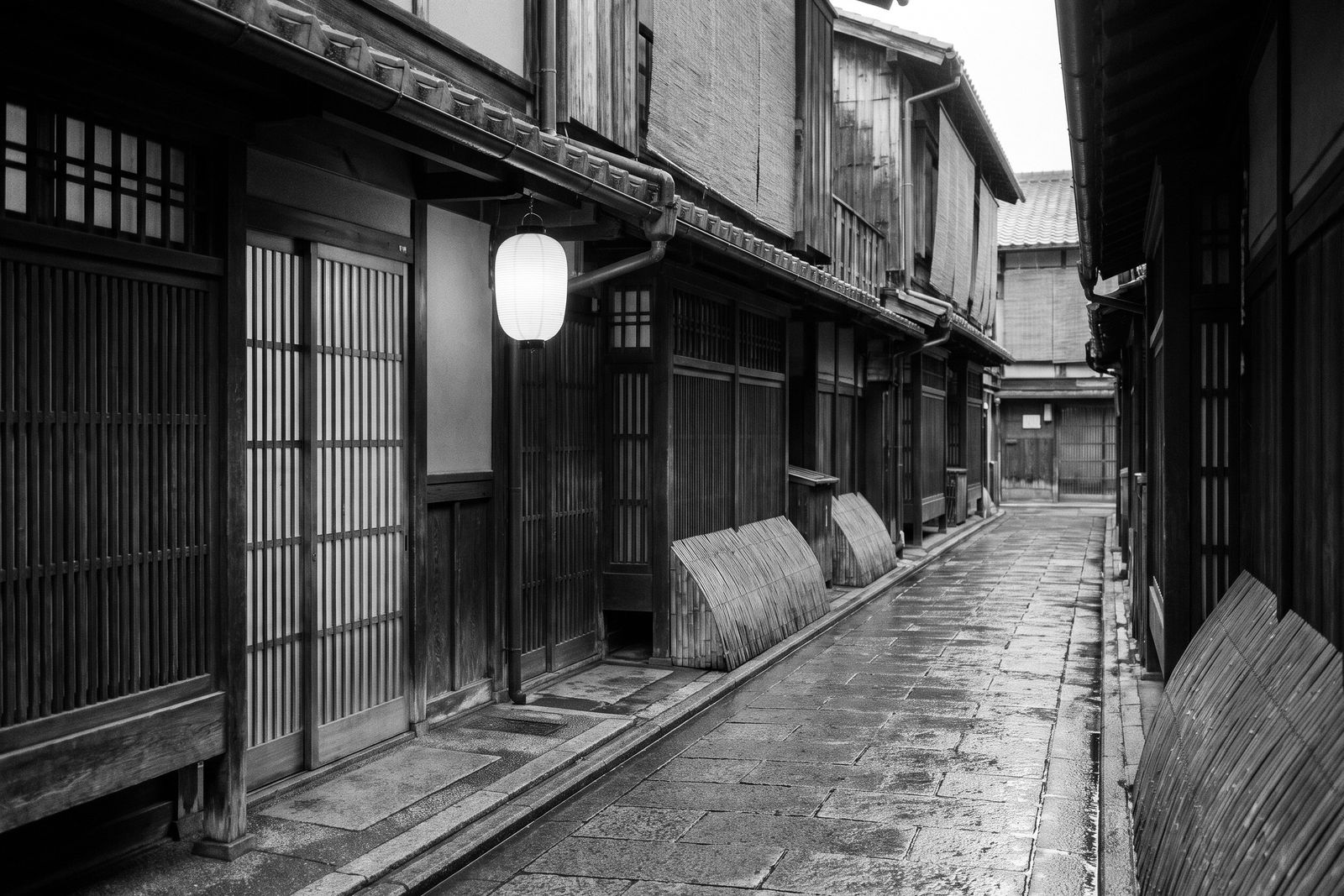
I love the place. I love how its objects are made, and that a wooden temple and a vending machine can share a street corner without either looking out of place. I could see myself growing old there, with no plan except to walk around and find, every day, one thing that exists nowhere else. It would be a better education than the one I tried to give.
The pictures in this essay were made with AI.